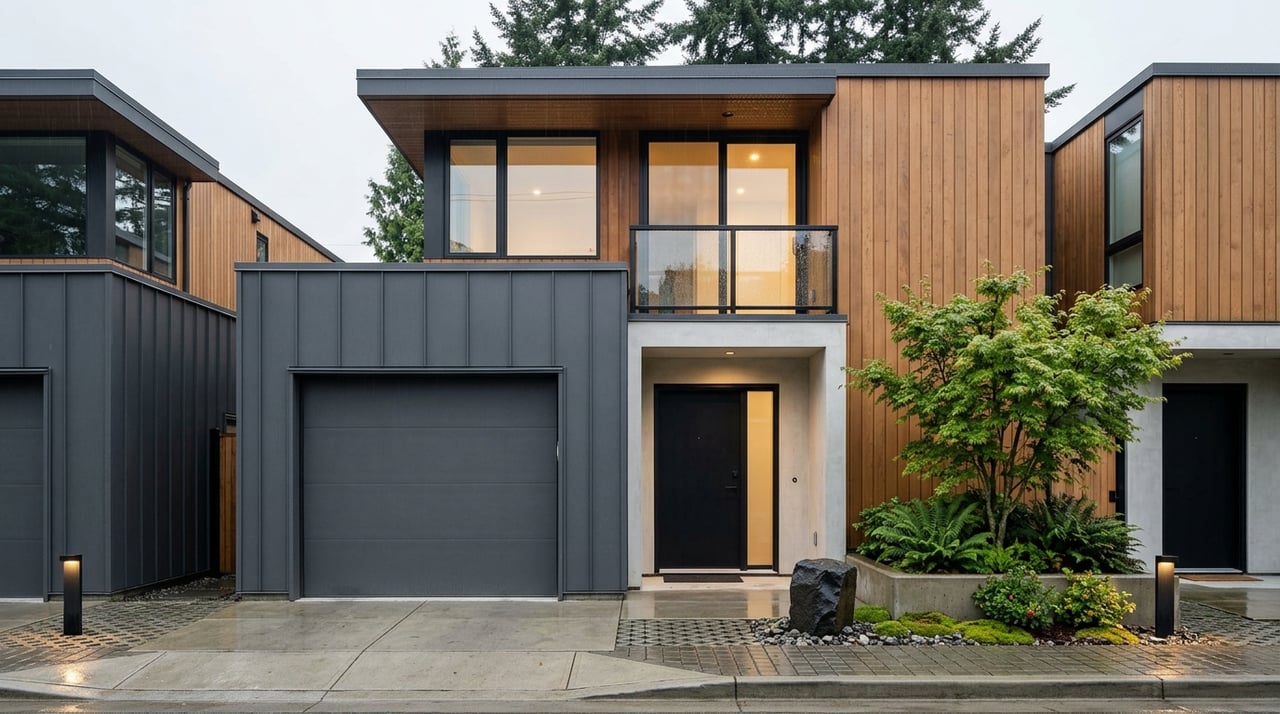
Wondering if a townhome in Shoreline is the right middle ground for your next move? You are not alone. Many buyers want more privacy and space than a condo can offer, but less upkeep than a detached house. In Shoreline, that tradeoff is becoming more relevant as the city adds more middle housing choices and buyers look closely at value, ownership costs, and day-to-day livability. This guide walks you through what townhome living in 98133 looks like today, what to verify before you buy, and how townhomes compare with other local options. Let’s dive in.
Why townhomes matter in Shoreline
Shoreline is still largely defined by detached housing, with the city reporting that more than 70% of households are single-family residences. At the same time, the city is planning for growth and expects to add 13,330 households by 2044. That is part of why townhomes and other middle housing options are becoming a more visible part of the local market.
The city also notes that 61% of residents live in one- or two-person households. That matters because many buyers want a home that feels more private than a condo without taking on the full maintenance needs of a larger detached property. For many buyers, a townhome fits that sweet spot.
In January 2025, Shoreline adopted middle-housing code changes that support smaller, neighborhood-scaled housing types with multiple individual residences. In that framework, townhomes stand out as a practical for-sale option for buyers who want separate living space, a private entrance, and a more house-like feel.
What Shoreline townhomes usually offer
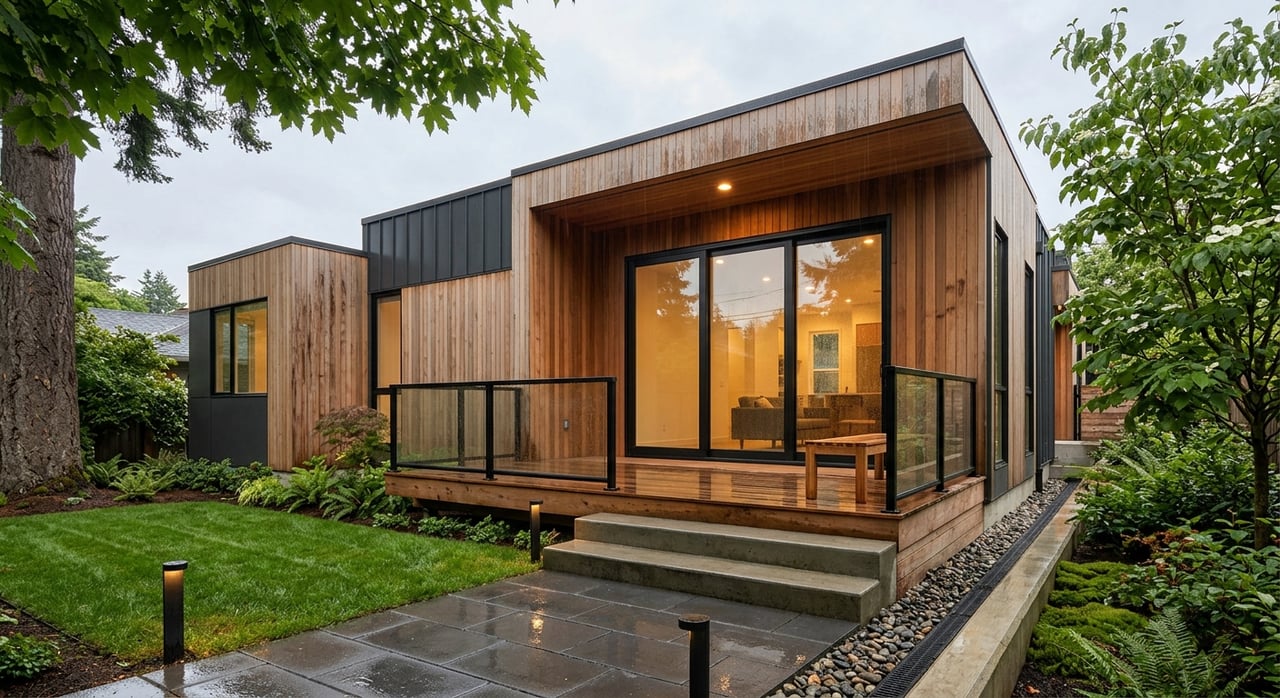
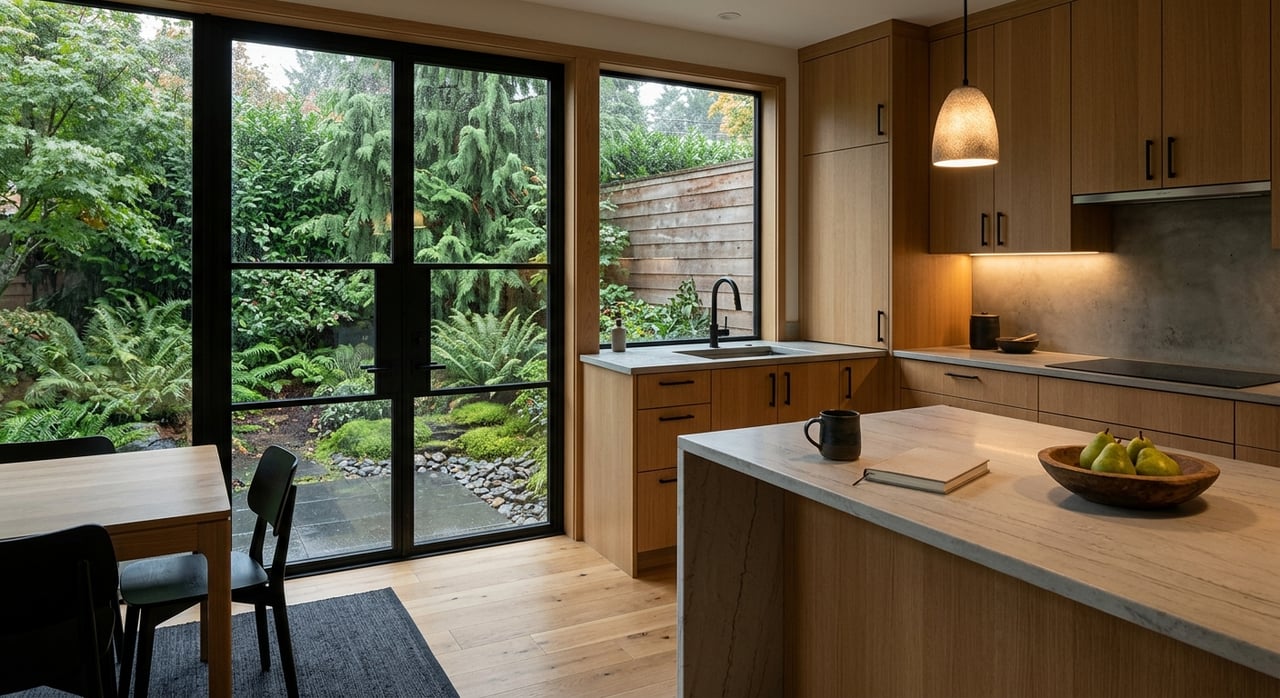
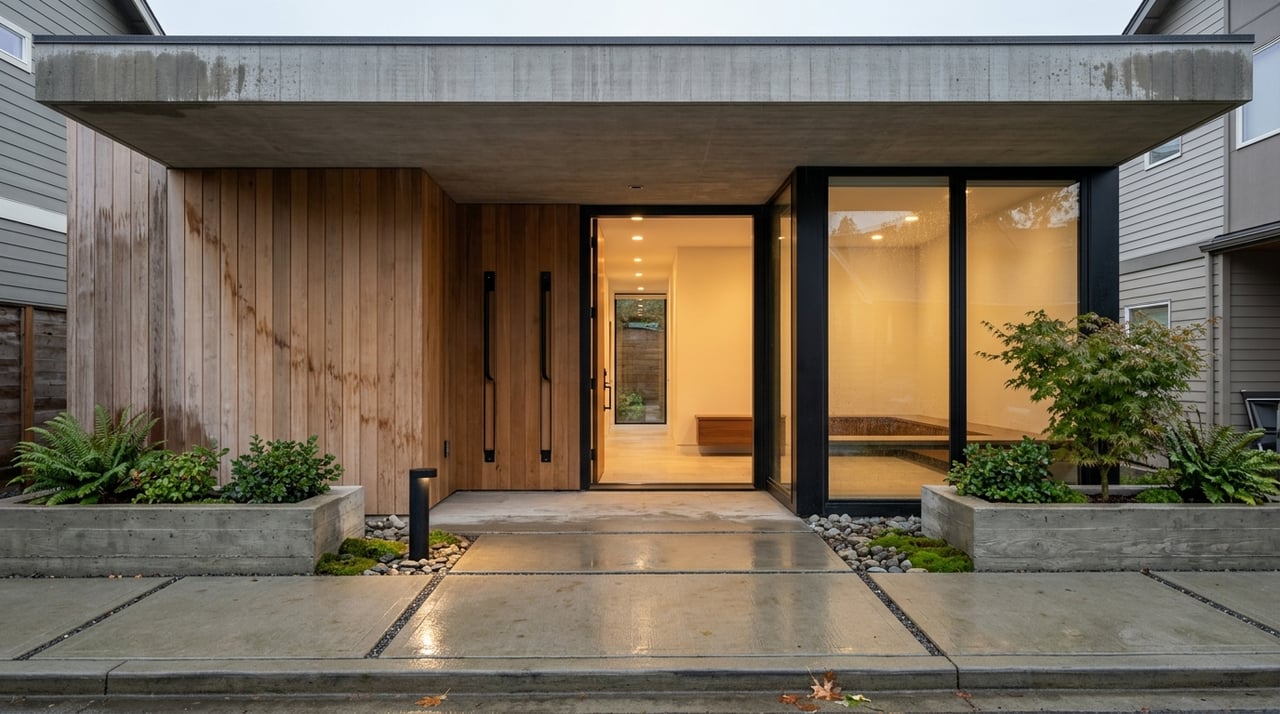
One of the biggest misconceptions about townhomes is that they all look and live the same. In Shoreline, they do not. The city’s middle-housing materials describe homes with complete living spaces and separate entrances, which helps explain why many buyers see townhomes as a step closer to detached-home living than condo living.
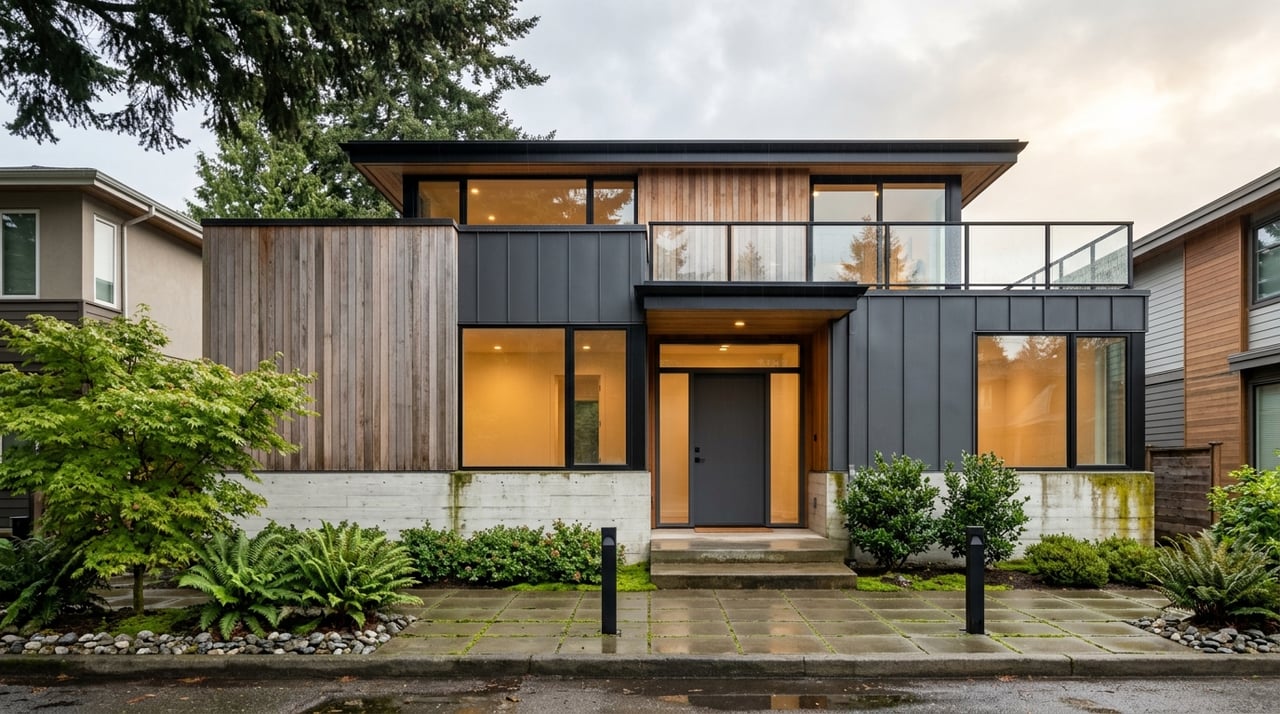
Shoreline also says its 2020 townhouse design standards encouraged more street-facing townhomes instead of older slot-style layouts that face a driveway. For buyers, that can translate into a more welcoming entry, better street presence, and a layout that feels more connected to the neighborhood.
Current listings in 98133 show a wide range of sizes and setups. Active townhomes have included compact 900-square-foot homes with 2 bedrooms and 1.5 baths, mid-size 1,554-square-foot homes with 3 bedrooms and 2.5 baths, and larger 1,971-square-foot homes with 3 bedrooms and 4.5 baths. Some have garages, while others offer off-street parking and low monthly HOA dues.
That range is important. A Shoreline townhome can work for a first-time buyer who wants a simpler footprint, or for a move-up buyer who wants newer construction and more usable square footage without switching to a detached house.
Parking varies more than buyers expect
If you assume every townhome comes with a garage and driveway, pause there. In August 2025, Shoreline eliminated vehicle parking minimums citywide while keeping design rules for parking location, screening, and landscaping. That means parking can vary a lot from one project to the next.
Some townhomes will still include an attached garage. Others may have assigned off-street parking, and some communities may use more flexible shared arrangements. You should verify the exact parking setup for any property you are considering instead of relying on a general assumption.
When you review a listing or disclosure package, ask clear questions such as:
- Is parking deeded, assigned, or shared?
- Is there guest parking?
- If there is a garage, how many vehicles fit comfortably?
- Are there any community rules about parking use?
Parking is a small detail until it becomes a daily frustration. In a market like Shoreline, it is worth confirming early.
HOA documents deserve close attention
A townhome may look simple on the surface, but the ownership structure can carry important legal and financial details. If the home is part of a common-interest community, the association documents matter just as much as the floor plan and finishes.
Under Washington law, governing documents can include assessments, fees, fines, and restrictions on unit use or property changes. Buyers are specifically cautioned to review governing documents, reserve study information, and other financial records before closing. That review can tell you a lot about how the community is run and whether future costs could be higher than expected.
For buyers, the most useful questions often include:
- What do the monthly dues cover?
- Is there a current reserve study?
- Has the association had any special assessments?
- What exterior changes require approval?
- Are there limits or rules that affect how you can use the property?
A low monthly due can look attractive at first glance. But low dues do not always mean low risk. If reserves are underfunded, owners may be more exposed to future special assessments for major repairs.
Why reserve studies matter
Reserve studies are one of the most important pieces of townhome due diligence. Washington law points associations toward planning for major common components such as roofing, painting, paving, decks, siding, plumbing, and windows. In plain terms, a reserve study helps you understand whether the association is financially preparing for the big-ticket items that wear out over time.
That matters because your monthly dues tell only part of the story. You also want to know whether the association has enough money set aside for future repairs. A community with slightly higher dues but healthier reserves may be in a stronger position than one with very low dues and a long list of deferred needs.
If the property uses a condo-style ownership structure, Washington law also requires a resale certificate before sale. That certificate generally must be provided within 10 days of request, and it includes key information about assessments and reserve-study status. For a buyer, that is not paperwork to skim. It is one of the clearest windows into the financial health of the community.
How townhomes compare with condos
In 98133, townhomes currently sit above condos on price. Recent listing data shows condos with a median listing price of about $380,000, while townhouses are around $625,000. That places townhomes in a clear middle position between lower-priced condo options and the broader local market.
The difference is not just cost. Condos usually involve more shared systems and more formal association governance. Townhomes typically offer a more house-like setup, often with a private entrance and more square footage.
For many buyers, the tradeoff comes down to this:
- Condos may offer a lower entry price.
- Townhomes often provide more separation and a more traditional home feel.
- Detached homes typically offer the most autonomy, but often with more upkeep and a higher price point.
If your goal is to balance privacy, maintenance, and budget, townhomes deserve a serious look.
How townhomes compare with detached homes
Detached homes still shape how many people think about Shoreline. Since more than 70% of households are single-family residences, detached housing remains the dominant local pattern. Buyers who want a yard, fewer shared walls, and more control over the property may still prefer a detached home.
But townhomes fill an important role in between. They often let you stay in a neighborhood-oriented setting while reducing some of the exterior maintenance and land burden that can come with a standalone house. That can be especially appealing if you want space to spread out but do not want every weekend tied up with home upkeep.
In 98133, the broader market’s median sale price over the last three months has been about $750,622. Homes have also averaged about 2 offers and 12 days on market. Against that backdrop, townhomes are not the cheapest option, but they can still represent a more attainable path than many detached homes in the area.
What buyers should verify before making an offer
When you find a Shoreline townhome you like, slow down and confirm the details that affect daily life and long-term cost. A quick showing can tell you whether the layout works. It usually will not tell you everything you need to know about ownership and future expenses.
Use this checklist as a starting point:
- Confirm the ownership structure
- Review HOA dues and what they include
- Ask for reserve study information
- Check for past or pending special assessments
- Verify parking type and rules
- Review any restrictions on exterior modifications
- Understand which parts of the property you maintain versus the association
These steps can help you compare homes more clearly. Two townhomes with similar asking prices can feel very different once you factor in reserves, parking, and association rules.
Why local context matters in 98133
Townhomes are not a niche product in Shoreline. The city reported 38 completed townhomes in 2025 across four developments, with permits issued for 97 more units. That tells you this housing type is active and relevant in the city’s current growth strategy.
It also means buyers should expect variation. Newer projects may reflect the city’s updated design standards and changing parking rules, while older townhome communities may follow different design patterns and association structures. Looking at townhomes as one single category can lead to oversimplified decisions.
In practice, the best move is to evaluate each property on its own facts. The floor plan matters, but so do the documents, parking details, and financial setup behind the scenes. In Shoreline, that combination is what tells you whether a townhome is simply appealing on paper or truly a good fit for your life.
If you are weighing townhomes against condos or detached homes in Shoreline, a local comparison can save you time and help you avoid expensive surprises. For practical, neighborhood-level guidance on what is available and how each option stacks up, reach out to Chris Haynes.
FAQs
What is a townhome in Shoreline, WA?
- In Shoreline, a townhome is generally a neighborhood-scaled home with its own complete living space and separate entrance, often offering a more house-like feel than a condo.
How much do townhomes cost in 98133?
- Current 98133 listing data shows a median townhome listing price of about $625,000, compared with about $380,000 for condos in the same ZIP code.
Do Shoreline townhomes always have garages?
- No. Parking varies by project and may include garages, assigned off-street spaces, or more flexible shared arrangements, so you should verify the setup for each property.
What HOA documents should buyers review for a Shoreline townhome?
- Buyers should review governing documents, dues, reserve study information, assessment history, parking details, and any rules on property changes or unit use.
Are townhomes in Shoreline a good alternative to condos?
- For many buyers, yes. Townhomes often cost more than condos, but they may offer more square footage, a private entrance, and a layout that feels closer to a detached home.
Why are reserve studies important for Shoreline townhome buyers?
- Reserve studies help show whether the association is planning for major repair costs like roofing, siding, paving, windows, and decks, which can affect future dues and special-assessment risk.