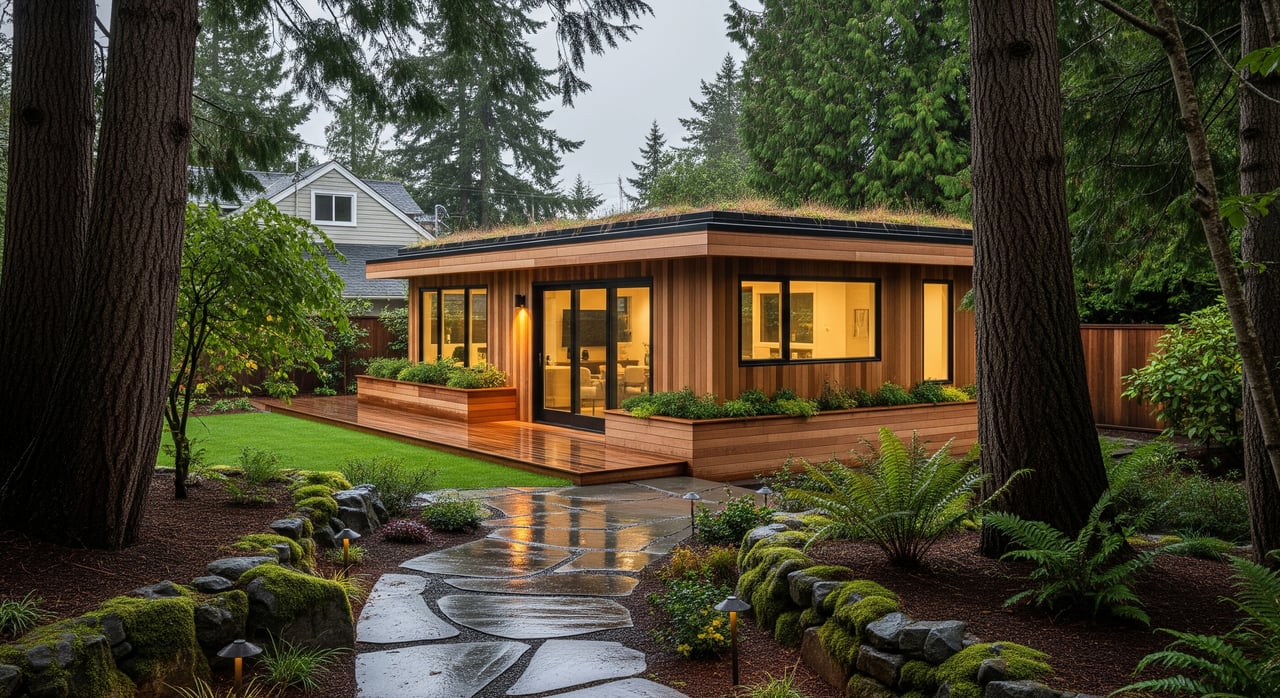
Thinking about adding a backyard cottage or basement suite in 98133? You are not alone. Homeowners across Shoreline and North Seattle are exploring ADUs to create space for family, build long-term value, or generate rental income. This guide walks you through what is typically allowed, how rules differ between the two cities, and the steps you should take before you start design or construction. You will leave with a clear checklist and local pointers to move from idea to action. Let’s dive in.
ADU types allowed nearby
Both Shoreline and the City of Seattle support accessory dwelling units in residential zones. In most cases, you will look at two formats:
- Attached ADUs inside or connected to the main house, such as a basement or in-law suite.
- Detached ADUs in a separate backyard structure, often called a backyard cottage.
Each city treats attached and detached units differently in its code. What is allowed on your lot depends on zoning and site conditions. Start by confirming your parcel’s zoning and whether ADUs are permitted in that zone. If your plan involves converting existing space inside the home, standards can differ from new detached construction. Always check the specific path that fits your property and goals.
Zoning and lot basics in 98133
Your parcel’s zoning and overlays determine what you can build and where it can go. Even when ADUs are allowed, other standards control feasibility.
- Minimum lot size: Many residential zones do not set a strict minimum lot size for ADUs, but lot coverage and floor area rules can limit buildable area.
- Critical areas: Steep slopes, wetlands, or other critical-area overlays common in parts of North Seattle and Shoreline may require additional review. These conditions can add studies, design adjustments, or longer timelines.
- Sewer and service: Most ADUs require connection to public sewer and water for occupancy. If your property is not served, check service availability and connection requirements early.
Before you design, verify the exact zone, any overlays, and whether your lot sits in a special district that modifies standards.
Size, height, and setback rules
Both cities cap detached and attached ADUs by size and set building envelope rules that include height and setbacks. The details vary by city and zone.
- Size: Codes often set a maximum square footage or a percentage of the primary dwelling. Expect detached caps to differ from attached caps.
- Height: Detached ADUs have height limits that can vary based on lot size, roof form, or whether the ADU is above a garage.
- Setbacks: Side and rear setbacks control where a detached ADU can sit on a lot. Front setback rules typically match the primary structure or accessory building rules. Some cities allow reduced setbacks in specific situations.
If your concept pushes a limit, ask whether adjustments or variances are possible and what evidence the city requires. Small shifts in placement or massing can save time and keep you within the by-right envelope.
Parking and access
ADU parking rules have evolved, especially near frequent transit. Many jurisdictions reduce or eliminate off-street parking requirements for ADUs in well-served locations, but details can differ.
- Off-street parking: Confirm whether an off-street space is required for the ADU and whether proximity to transit waives that requirement.
- Garage conversions: If you convert a garage to an ADU, verify whether you must replace any required parking elsewhere on the lot.
- Driveways and curb cuts: New or widened driveways typically need separate review and permits. Alley access can help, but it has its own rules.
Clarify parking expectations early to avoid redesigns or right-of-way delays later.
Utilities, addresses, and inspections
Utility coordination is a make-or-break detail for ADUs. Service availability and connection rules can affect cost and timing.
- Separate meters: Some cities allow or require separate utility meters for ADUs. Others allow shared service. Confirm what is permitted and any billing implications.
- Sewer and water: Determine which utility district serves your lot and whether capacity or connection fees apply. In this area, providers can include Seattle Public Utilities and nearby water or sewer districts that serve Shoreline, along with King County’s regional sewer system.
- Addressing: Many jurisdictions assign a separate address to an ADU used as a rental. This can affect mail delivery, wayfinding, and utility accounts.
- Inspections: Expect building, electrical, plumbing, and mechanical inspections during construction. Final occupancy is issued only after all inspections pass.
Ask your utility providers about connection requirements, timeline to schedule work, and any deposits or capacity charges.
Owner occupancy, rentals, and short-term stays
Owner occupancy and rental rules have changed in recent years. Do not assume the old rules still apply.
- Owner occupancy: Some jurisdictions used to require the owner to live on-site when an ADU is present. Many have relaxed or removed this requirement. Confirm the current rule for your city.
- Renting the ADU: Long-term rental is generally allowed when the ADU is permitted and inspected for occupancy. Some cities limit renting both the main house and the ADU at the same time. Verify the specifics in your code.
- Short-term rentals: Short-term rental rules are separate from building permits. If you plan to host short-term stays, check local short-term rental registration, business licensing, and lodging tax requirements.
Make a plan that matches your intended use. If your goal is income, confirm every rule that affects rental length, licensing, and taxes.
Permitting and timelines
Most ADUs proceed through administrative permit review with a clear checklist. Timelines vary by scope and site complexity.
- Permit types: Expect building, electrical, plumbing, and mechanical permits. If you add a driveway or modify a curb cut, right-of-way permits are separate. Critical areas or steep slopes can trigger additional reviews.
- Internal conversions: Converting existing space is usually faster than building a new detached unit. With clean plans and no major site constraints, review can move in weeks.
- Detached ADUs: New structures take longer. Plan for several months of review if you need utility coordination, site work, or specialty reports.
- Fees: Total costs include plan review and permit fees plus any system development charges or utility capacity fees.
Both cities offer pre-application help. A brief conversation with the permit counter can clarify what reviews you will trigger and how long they usually take. Ask about current target review times for your specific permit types.
Design and neighborhood considerations
Beyond dimensional limits, your site context may shape the design.
- Design standards: Some areas have compatibility standards or additional guidelines that affect massing, entries, and materials.
- Historic or special districts: If you are in a historic district or overlay, additional review can apply and change what you can alter or add.
- Private rules: CC&Rs and HOA documents can prohibit or restrict ADUs even if the city allows them. Always review private covenants before you invest in plans.
- Trees and grading: Tree protection and grading rules can affect footprint and construction methods.
An early site survey and a zoning summary from a designer familiar with Shoreline and North Seattle can keep your project aligned with the rules.
Costs, financing, and taxes
ADUs are popular because they add utility and potential income, but they are significant investments.
- Construction costs: Regional costs are high. Detached ADUs commonly require six-figure budgets depending on size, foundation needs, and finish level. Attached conversions can be more economical, but complexity drives price.
- Fees and connections: Building permits, plan review, and any system development or capacity charges add to total cost. Utility coordination can be a major line item if you need new service lines or meter work.
- Taxes: New construction typically increases assessed value, which can increase property taxes. Rental income is taxable, and short-term rentals have additional lodging tax rules.
Before you set a budget, speak with your city permit office, your utility providers, the King County Assessor, and your tax advisor so you can build accurate pro formas.
Step-by-step next moves
Use this simple checklist to confirm feasibility and avoid surprises:
- Identify your zoning and overlays using your city’s zoning map. Note any steep slopes or critical areas.
- Call or visit the city permit counter to confirm whether an attached or detached ADU is allowed on your lot and which standards apply.
- Order a site survey if you plan a detached ADU or need precise setbacks and elevation data.
- Contact your water and sewer providers to confirm service availability and any connection or capacity fees.
- Review private CC&Rs or HOA rules and check whether your property sits in a historic or special district.
- Get preliminary cost and timeline estimates from architects and contractors with recent ADU projects in Shoreline and North Seattle.
- Consider a pre-application meeting to align your scope with the city’s process, submittal checklist, and current review times.
How Seattle Home Guide can help
Whether you are exploring a basement suite, a backyard cottage, or a broader investment strategy, you deserve clear local guidance. Seattle Home Guide pairs neighborhood-level knowledge with practical, deal-focused advice. We can help you:
- Evaluate your lot’s ADU potential and highlight red flags early.
- Coordinate intros to local designers and builders with proven ADU experience.
- Outline rental paths and market positioning based on neighborhood demand.
- Estimate resale and long-term value impacts to support your decision.
If you want a local partner who knows Shoreline and North Seattle inside and out, connect with Chris Haynes to talk through your plan.
FAQs
Can I build a detached ADU in my 98133 backyard?
- It depends on your zoning, setbacks, and any critical-area overlays; confirm with your city’s permit counter before you design.
How big can an ADU be in Shoreline or North Seattle?
- Maximum size and height vary by city and zone, and by attached versus detached; check the municipal code that applies to your parcel.
Do I need off-street parking for an ADU near transit?
- Many locations reduce or waive ADU parking near frequent transit, but rules differ; verify parking and any driveway permits with your city.
How long does ADU permitting take in this area?
- Simple internal conversions can move in weeks, while new detached units often take several months, especially with utility or site reviews; ask about current targets.
Can I use an ADU for short-term rentals?
- Short-term rental rules are separate from building permits and require registration or licensing; confirm what is allowed where you live and any taxes owed.
Will my property taxes increase if I add an ADU?
- New construction usually raises assessed value, which can increase property taxes; confirm details with the county assessor before you build.