Wondering why a home that felt "ready enough" a few years ago now needs a sharper plan before it hits the market? In North Seattle, buyers often judge your home online before they ever step through the door, and today’s sellers are competing in a market with more active listings than last year. If you want to stand out, attract serious interest, and launch with confidence, a thoughtful prep strategy matters. Let’s dive in.
Why prep matters in North Seattle
North Seattle sellers are competing in a market where presentation can shape first impressions fast. According to the National Association of Realtors, 52% of buyers found the home they purchased online, and 81% said listing photos were the most useful feature in their search.
That matters even more as inventory grows. NWMLS reported that Washington active listings rose 29.3% year over year in March 2026, while closed sales were essentially flat, which points to a more competitive environment for sellers than in recent years.
Even so, the market is not oversupplied. NWMLS reported that statewide months of supply averaged 2.83 in 2025, still below the 4-to-6-month range often associated with a balanced market, so well-prepared homes can still draw strong attention.
Start earlier than you think
If you are aiming for a spring launch, timing your prep matters. King County data from 2025 showed new residential listings rising from 827 in January to 1,173 in May, while active listings climbed from 1,221 in January to 2,064 in May and 2,045 in June.
In plain terms, more listings tend to hit the market as spring builds. If you want to list between April and June, it makes sense to start repairs, decluttering, and planning photos several weeks or even months ahead.
That lead time becomes even more important if your to-do list includes work that may trigger permits. Cosmetic updates can often happen quickly, but larger projects can add time and coordination.
Focus on the highest-impact updates
You do not need to remodel your whole house to make a strong impression. NAR recommends starting with low-cost, high-visibility work such as cleaning and decluttering, including windows, carpets, lighting fixtures, and walls.
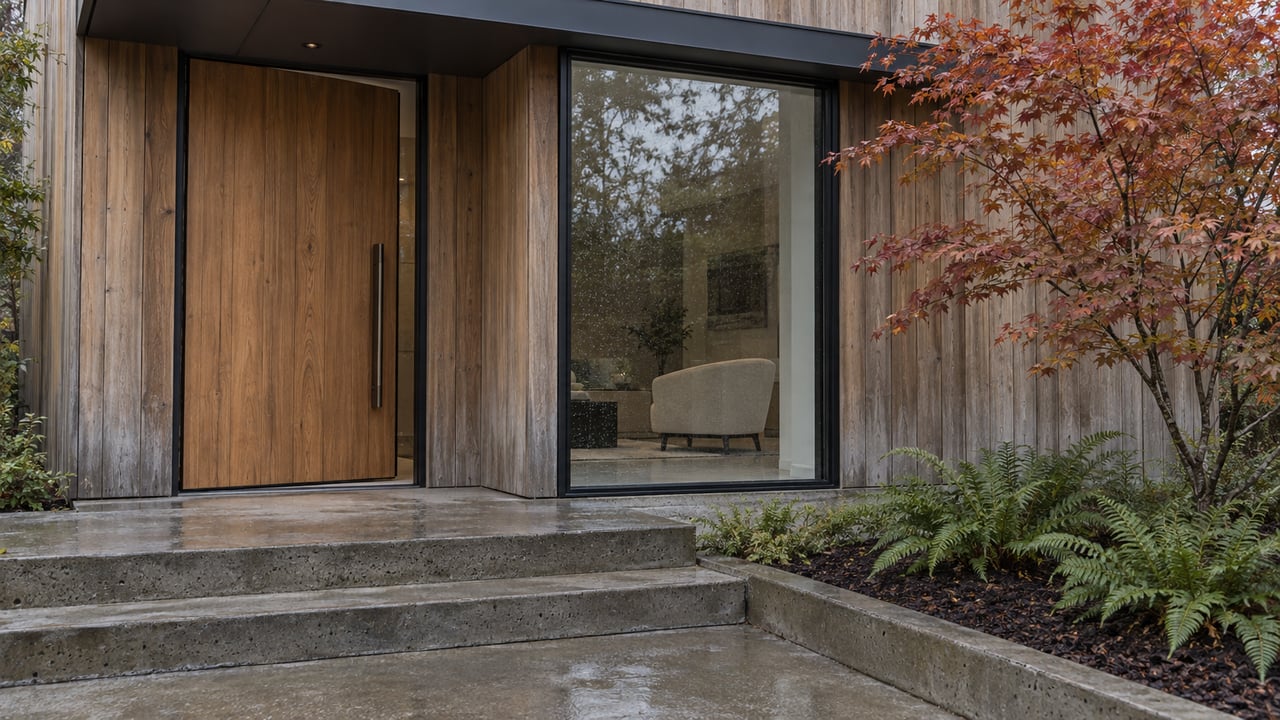
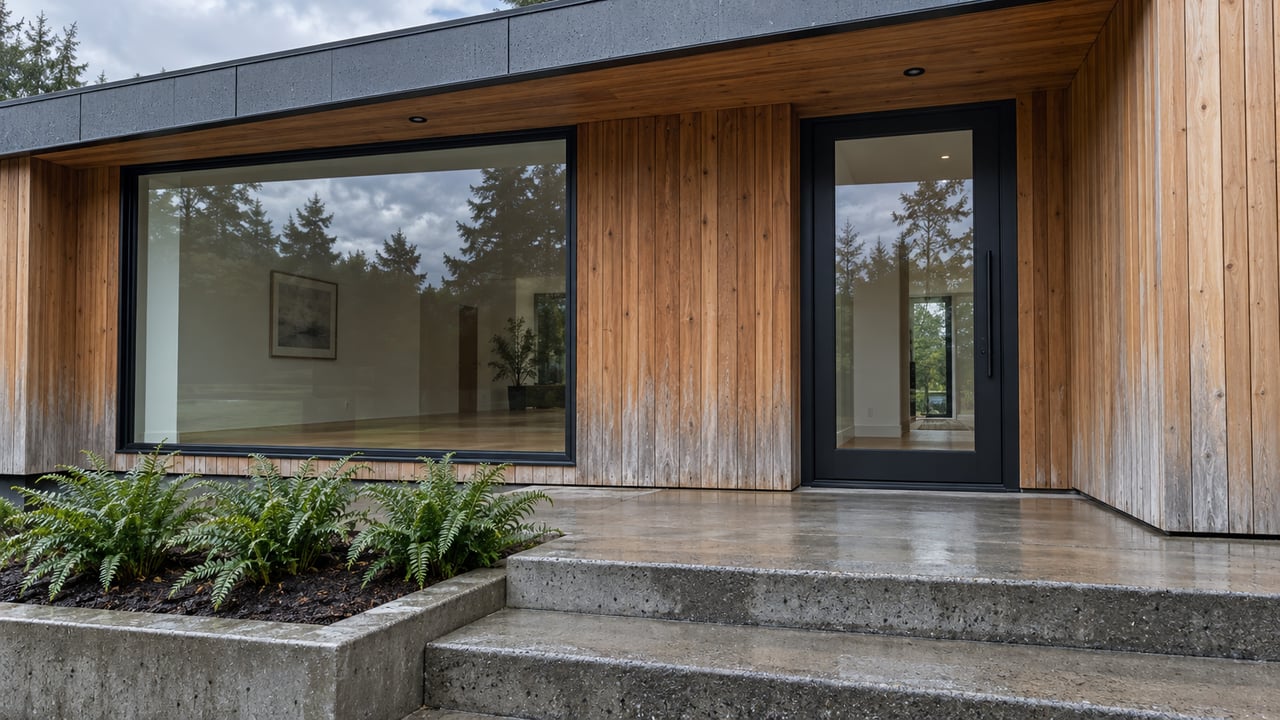
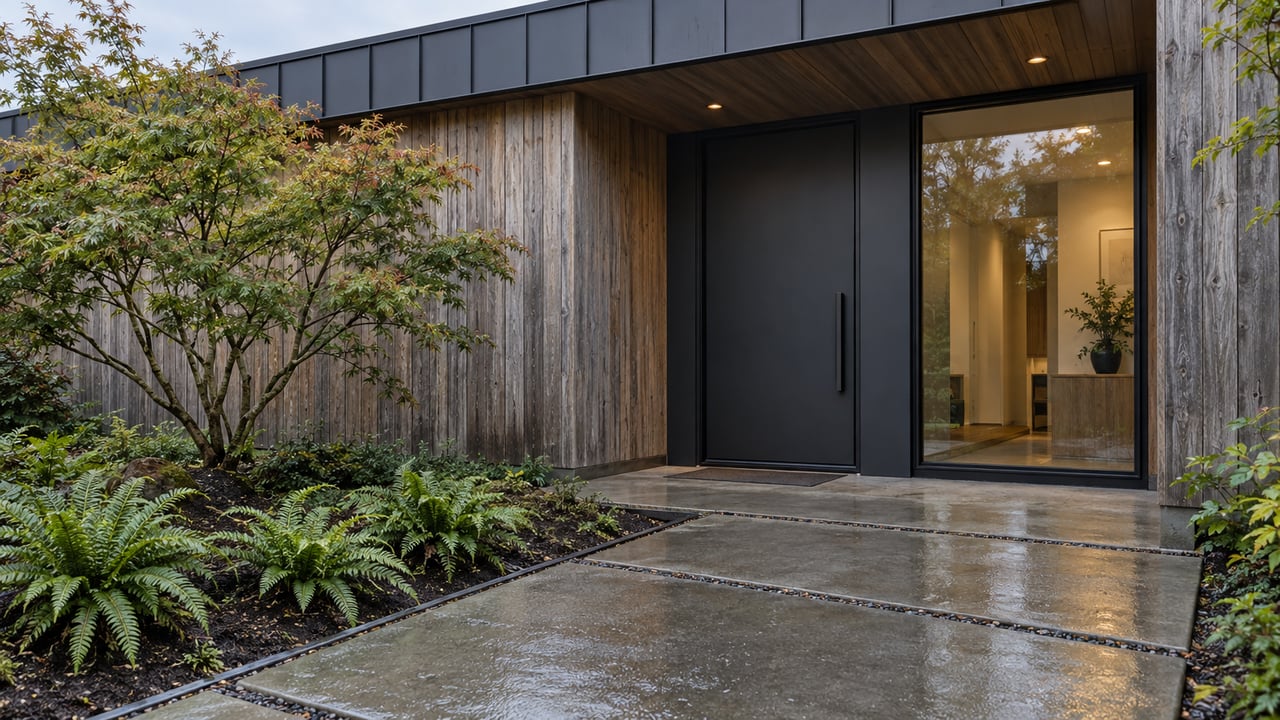
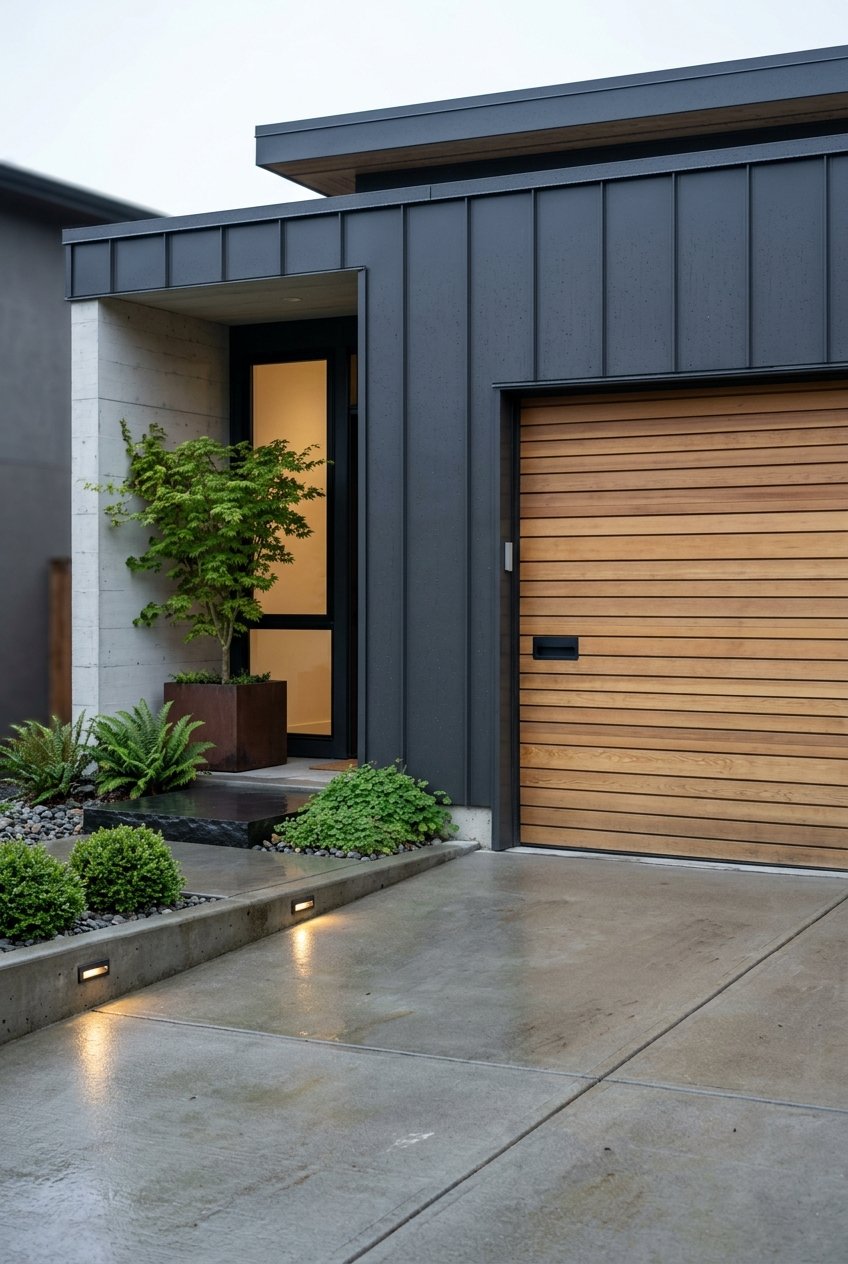
Outside, curb appeal still counts. Landscaping, the front entrance, and fresh paint where needed can help your home feel cared for before buyers even walk inside.
For many North Seattle homes, this approach makes sense because buyers often respond to how bright, clean, and well-maintained a property feels. A home that looks tidy and move-in ready in photos can earn more clicks, more showings, and better momentum in the first few days on market.
Your first-prep checklist
- Deep clean the entire home
- Wash windows inside and out
- Clean carpets and floors
- Brighten or replace dated light fixtures where appropriate
- Patch and touch up marked walls
- Remove extra furniture and personal items
- Tidy landscaping and entry areas
- Refresh paint in visible, worn areas
Stage the rooms buyers notice first
Staging can help, but it does not have to mean furnishing every corner of the home. NAR’s 2025 staging report suggests that when your budget is limited, the smartest move is to focus on the rooms buyers notice first.
Among buyers’ agents, the living room ranked as the most important room to stage at 37%, followed by the primary bedroom at 34% and the kitchen at 23%. Among sellers’ agents, the rooms most often staged were the living room, primary bedroom, dining room, and kitchen.
If you are trying to spend wisely, those are the spaces to prioritize. A simplified, well-arranged living room and a clean, calm primary bedroom can help buyers picture how the home lives day to day.
NAR also reported a median staging-service cost of $1,500. In that same report, 29% of agents said staged homes saw a 1% to 10% increase in offered value, and 49% said staging helped homes sell faster.
Best rooms to prioritize
- Living room
- Primary bedroom
- Kitchen
- Dining room
Decide early on repairs and inspection strategy
A pre-sale inspection is optional, but it can be useful if you want fewer surprises later. NAR says a pre-sale inspection may reveal issues involving the structure, roof, plumbing, electrical, HVAC, interiors, ventilation and insulation, fireplaces, and possible environmental concerns such as mold, radon, lead paint, or asbestos.
The goal is not perfection. The value is knowing what you are dealing with before buyers raise concerns, so you can decide whether to repair an issue, offer a credit, or disclose it clearly.
This can be especially helpful in North Seattle, where many homes vary widely in age, updates, and condition. When you understand your home’s likely sticking points in advance, you can build a cleaner pricing and marketing strategy.
Know when Seattle permits may apply
Not every prep project needs a permit, but some do. The City of Seattle says painting or cleaning a building, installing kitchen cabinets, and paneling over existing wall or ceiling finishes usually do not require a permit.
The city also says minor repairs or alterations costing $6,000 or less in any 6-month period usually do not require one. But remodels and additions do require a construction permit, and any work affecting load-bearing supports, the building envelope, egress, light, ventilation, or fire resistance needs a permit regardless of cost.
That is why it helps to define your scope before you start. If your goal is simply to get market-ready, cosmetic work may be enough, while bigger projects may not fit your timeline.
Prep projects that usually do not need a permit
- Painting
- Cleaning
- Installing kitchen cabinets
- Paneling over existing wall or ceiling finishes
- Minor repairs or alterations within the city’s cost threshold
Projects that may need a permit
- Remodels
- Additions
- Work affecting structural supports
- Work affecting the exterior building envelope
- Changes to egress, light, ventilation, or fire resistance
Treat disclosures like part of prep
Disclosures should not wait until the last minute. In Washington, for improved residential real property, the seller must deliver a completed seller disclosure statement unless a statutory waiver or exemption applies.
That statement is a seller-provided disclosure, not a warranty. If you later learn new information before closing that makes a prior disclosure inaccurate, the statement must be amended and delivered.
For homes built before 1978, there is another important step. Federal law requires sellers to disclose known lead-based paint hazards before the contract is signed, provide the EPA pamphlet, and share available records or reports, while buyers receive a 10-day period to conduct a lead inspection or risk assessment.
This is one more reason to organize your paperwork early. NAR also recommends gathering warranties, guarantees, and manuals for appliances and systems that will remain with the home, since buyers often request them during the sale process.
Get photo-ready before launch day
In North Seattle, your online debut does a lot of heavy lifting. Since buyers often start with photos, your home should be fully clean, decluttered, repaired, and camera-ready before the photographer arrives.
NAR notes that early views, saves, and shares in the first few days can influence whether a listing gains traction. A rushed launch with unfinished touch-ups or cluttered rooms can cost you interest right when visibility matters most.
Professional marketing may include photography, social media, signage, open houses, and MLS exposure. NAR also notes that MLS typically provides the broadest exposure to prospective buyers, and that the first open house on the weekend after the property goes live can help maximize attention.
Photo-day checklist
- Open blinds and curtains where appropriate
- Remove countertop clutter
- Clear personal photos and excess decor
- Hide pet items and cleaning supplies
- Replace burned-out bulbs
- Make beds and straighten pillows
- Put away trash bins and laundry hampers
- Sweep entry paths and tidy the porch
Use honest visuals that build trust
There is a difference between presenting your home well and making it look like something it is not. NAR cautions that photo edits and virtual staging should not distort the property’s real condition.
Used carefully, virtual staging can help buyers understand how an empty room might function. But edits that hide defects or materially change what a buyer will see in person can create distrust and weaken offers.
The best marketing gives buyers a clear, appealing, and accurate view of the home. That approach supports stronger expectations and smoother showings.
A practical North Seattle prep timeline
If you want a smoother listing process, think of home prep as a sequence rather than one big scramble. In a market that typically builds inventory through spring, getting ahead of the rush can give you more control over your timing and presentation.
| Timeline | What to focus on |
|---|---|
| 1 to 3 months before listing | Decide on repairs, consider a pre-sale inspection, review possible permit needs, begin decluttering |
| 3 to 6 weeks before listing | Complete cosmetic updates, deep clean, refresh curb appeal, gather manuals and warranties |
| 1 to 2 weeks before listing | Finish staging, finalize disclosures, prepare for photography |
| Launch week | Confirm photo readiness, go live on MLS, plan early showings and first open house |
The goal is a clean, confident launch
Preparing your North Seattle home for market is not about chasing perfection. It is about making smart, visible improvements, handling disclosures and repairs early, and showing up online with a home that feels polished, cared for, and accurately represented.
In a market where buyers compare homes quickly and inventory has increased, the sellers who plan ahead often put themselves in a stronger position. A clean launch can set the tone for better traffic, better confidence, and a more efficient sale.
If you are thinking about selling in North Seattle and want a practical plan based on your timeline, property condition, and neighborhood context, reach out to Chris Haynes for local guidance and a free home valuation.
FAQs
What should North Seattle sellers do first before listing a home?
- Start with cleaning, decluttering, and identifying any repairs or disclosure items early, especially if you hope to list during the spring market.
Which rooms matter most when staging a North Seattle home for sale?
- The highest-priority rooms are typically the living room, primary bedroom, kitchen, and dining room when you want the best impact on a limited budget.
Do Seattle home sellers need permits for pre-listing updates?
- Cosmetic work like painting and cleaning usually does not require a permit, but remodels, additions, and work affecting structure, egress, ventilation, or fire resistance may require one.
Should a North Seattle seller get a pre-sale inspection?
- A pre-sale inspection is optional, but it can help you uncover issues early and decide whether to repair, credit, or disclose them before buyers weigh in.
When should you start preparing a North Seattle home for a spring sale?
- If you want to list between April and June, it is wise to begin prep several weeks to months in advance because King County inventory typically builds through the spring.
What disclosures do Washington home sellers need to prepare?
- Sellers of improved residential property generally need to complete a seller disclosure statement, and homes built before 1978 also require lead-based paint disclosures if applicable.