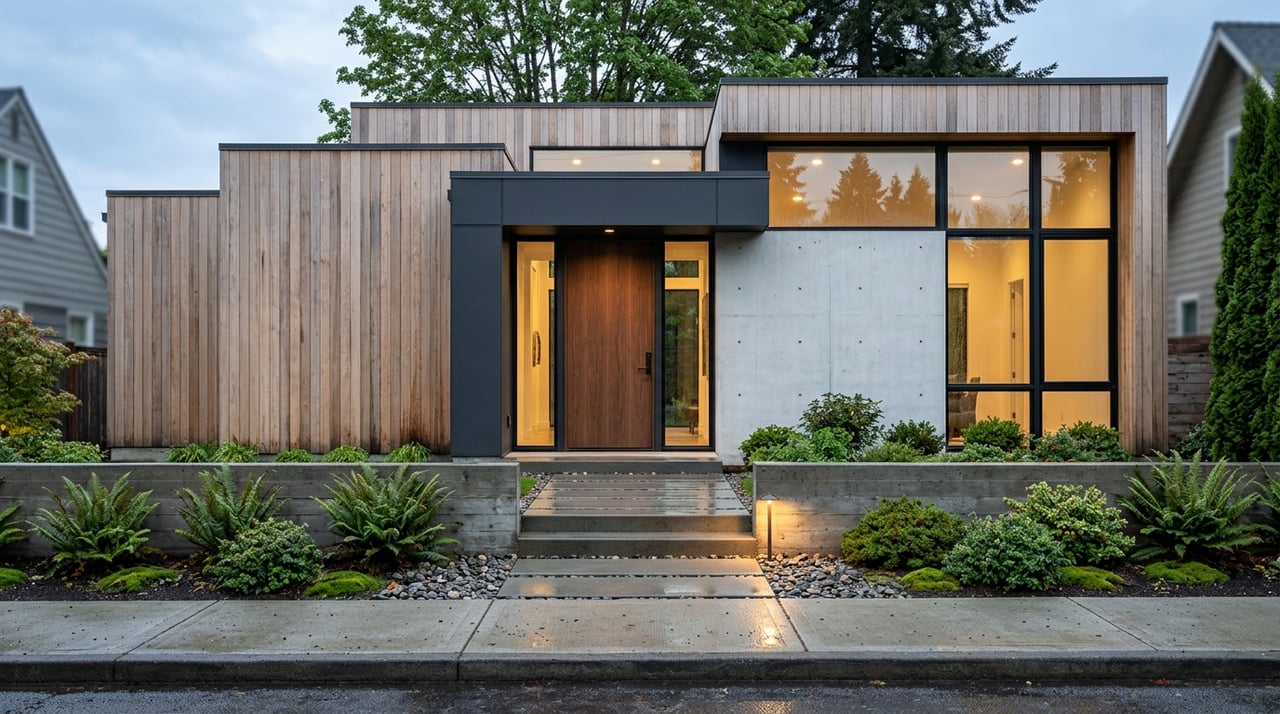
Thinking about a move to Seattle and not sure where to start? North Seattle is often the part of the city that catches relocating buyers because it offers a practical mix of parks, transit, and neighborhood business districts without putting you in the middle of downtown. If you want a clearer picture of how North Seattle feels, what homes look like, and where your budget may stretch further, this guide will help you get oriented. Let’s dive in.
What Counts as North Seattle?
“North Seattle” is more of a local shorthand than an official city boundary. Seattle’s neighborhood maps and reporting areas are useful for orientation, but the city notes that these boundaries are not official and only roughly approximate neighborhoods, as explained in the Seattle neighborhood map overview.
For relocation purposes, it makes sense to think of North Seattle as including Ballard, Green Lake, Greenwood and Phinney Ridge, Northgate, Lake City, Ravenna and Bryant, the University District, Wallingford, and Wedgwood and View Ridge. These areas do not all feel the same, which is part of the appeal. You can find everything from quieter residential streets to denser mixed-use centers with more shops, apartments, and transit access.
Why North Seattle Appeals to Relocating Buyers
North Seattle often works well if you want a balance of everyday convenience and neighborhood character. You are not limited to one lifestyle here. Some areas lean more walkable and mixed-use, while others feel more residential and lower scale.
Seattle’s long-range planning also helps explain why. The city’s comprehensive plan framework focuses growth in urban villages with access to jobs, transit, and services, which is why many north-end neighborhoods blend housing, retail, and transportation options in a fairly practical way.
Housing Options in North Seattle
One of the biggest surprises for out-of-town buyers is that North Seattle is not one housing type or one price point. Much of Seattle falls under Neighborhood Residential zoning, which allows a mix of detached houses, townhomes, stacked homes, accessory dwelling units, and some limited commercial uses, according to the city’s Neighborhood Residential code overview.
In real life, that means your options may include:
- Older detached homes on established residential blocks
- Newer townhomes in more compact settings
- Condos near business districts and transit
- Lowrise apartment or condo buildings
- Mixed-use buildings with homes above street-level retail
That variety is helpful when you are relocating because it gives you more ways to match your budget, commute, and maintenance preferences.
What North Seattle Homes Cost
North Seattle covers a wide pricing range, so it helps to enter your search with realistic expectations. According to Redfin’s Seattle market data, Seattle’s median sale price was about $850,000 in February 2026, while North Seattle as a broad area was about $840,000.
Inside North Seattle, the differences are significant. Ballard was about $890,000, Phinney Ridge about $1.059 million, Green Lake about $1.099 million, Lake City about $827,500, and Northgate about $698,900. That spread shows why your neighborhood choice can have a major effect on what type of home you can buy.
Quick price snapshot
| Area | Approximate median sale price |
|---|---|
| North Seattle overall | $840,000 |
| Ballard | $890,000 |
| Phinney Ridge | $1.059M |
| Green Lake | $1.099M |
| Lake City | $827,500 |
| Northgate | $698,900 |
If your goal is to stay closer to the lower end of North Seattle pricing, Northgate and parts of Lake City may be worth a closer look. If your priority is being near established neighborhood centers with strong demand, places like Green Lake, Phinney Ridge, and Ballard may come up more often, but usually at higher price points.
Neighborhood Patterns to Know
Ballard: walkable and active
Ballard is one of the clearest examples of a denser north-end neighborhood. The city’s planning work for the Ballard Hub Urban Village describes an area where much of the change is in commercial and multifamily sections, with a wide range of housing types and a strong walkable restaurant-and-shop environment.
If you want an active neighborhood center and do not mind a busier setting, Ballard often checks those boxes. Housing can vary from detached homes to condos and multifamily buildings, depending on the exact block.
Green Lake and Phinney Ridge: established and in demand
Green Lake and nearby Phinney Ridge tend to attract buyers who want a strong neighborhood identity and access to parks and local business districts. Planning documents describe Green Lake as a residential urban village that aims to stay compatible with existing single-family character while allowing mixed-use and midrise housing in selected areas.
That can create a nice middle ground. You may find quieter residential streets not far from more active commercial pockets, but pricing is generally on the higher side compared with other parts of North Seattle.
Greenwood: neighborhood center feel
Greenwood and Phinney Ridge are planned as walkable centers with varied housing stock and accessory dwelling units. Greenwood’s planning direction has focused on encouraging a denser, more walkable, and lively core, which helps explain why buyers often see a mix of traditional homes, townhomes, and multifamily options.
For many relocating buyers, Greenwood feels like a practical middle path. It can offer neighborhood business districts and housing variety without feeling identical to denser urban centers.
Northgate: transit-first and value-conscious
Northgate stands out as one of the clearest transit-oriented options in North Seattle. The city’s Northgate economics report says average asking rent was about $150 below the city average, most new development is multifamily, and recent sales were concentrated in townhomes and condos, with average prices around $622,522 for townhomes and $408,036 for condos.
If you are relocating and want easier rail access, lower entry points, or a more condo and townhome-heavy search, Northgate may deserve a spot near the top of your list. It is also a good reminder that “North Seattle” includes some very different housing environments.
Lake City: evolving and improving
Lake City is another area worth watching. The city is pairing a new community center with affordable housing near transit, and planning work is also exploring more infill capacity in the Lake City Hub Urban Village, according to Seattle Housing’s redevelopment update.
For buyers, that means opportunity and change often go together. You may find a lower price point than in some other north-end neighborhoods, but it is especially important to understand how redevelopment could shape the area around a property over time.
Getting Around North Seattle
If commute flexibility matters, North Seattle has real advantages. The opening of Northgate Link brought light rail to Northgate, Roosevelt, and the University District, and Lynnwood Link extended the 1 Line farther north through Shoreline, Mountlake Terrace, and Lynnwood.
That expanded network gives many north-end buyers more options for getting around the city and region. Even if you do not live right next to a station, bus connections can make rail more usable than it first appears.
Northgate as a transfer hub
Northgate Station is a major bus-and-rail transfer point. King County Metro’s Northgate Station boarding map shows connections to Lake City, Roosevelt, the University District, Ballard, Fremont, downtown Seattle, Shoreline, Everett, and other destinations.
For relocating buyers, this matters because commute quality is often more about the full trip than straight-line distance. A home with easy bus access to Northgate Station may function better for daily life than a home that looks closer on a map but has weaker connections.
Biking and walking options
North Seattle also has strong bike and pedestrian infrastructure in key corridors. The Burke-Gilman Trail is an official 12.5-mile multi-use path used by commuters, and neighborhood greenways help create calmer routes for local trips.
If you like to bike, walk, or reduce car dependence when possible, these connections can become part of your home search criteria. They may affect not only your commute, but also how easy it feels to get to parks, shops, and other daily destinations.
Parks and Daily Life
One of North Seattle’s biggest advantages is its park network. If outdoor access is important to you, this part of the city offers a lot of range, from shoreline parks to large open spaces and neighborhood loops.
According to Seattle Parks, some standout options include Discovery Park, Seattle’s largest park at 560 acres, Green Lake Park with its 2.8-mile loop, Magnuson Park at 350 acres, Carkeek Park with trails and beach access, and Golden Gardens with shoreline, beaches, trails, and a boat launch.
That access shapes daily life in a real way. It can influence where you walk, exercise, meet friends, or spend weekends once you move.
How to Narrow Your Search
If you are relocating to Seattle, start by deciding which tradeoffs matter most to you. In North Seattle, buyers usually balance four core factors:
- Purchase price
- Home type
- Commute setup
- Neighborhood activity level
For example, if rail access and a lower entry point matter most, Northgate may rise to the top. If you want an established neighborhood center near a major park, Green Lake or Ballard may be more appealing. If you want a mix of housing options and a practical neighborhood-business-district feel, Greenwood or Lake City might be worth comparing.
What to Check Before You Tour
North Seattle can look straightforward on a map, but block-to-block differences matter. Before touring homes, it is smart to verify a few basics from the exact address rather than relying only on the neighborhood name.
The research points to a few especially important checks:
- Test the commute from the exact address
- Confirm whether the block is mostly detached homes, townhomes, or mixed-use buildings
- Look at actual parking availability
- Ask whether nearby redevelopment or transit work could affect daily life
This is especially important in places like Northgate and Lake City, where planning and redevelopment activity remain active. A home can fit your needs today, but you also want a clear picture of what the immediate area may look like in the next few years.
A Smart Way to Relocate to North Seattle
Relocating to Seattle gets easier when you treat North Seattle as a collection of very different neighborhood choices rather than one uniform market. The best fit for you will depend on how you rank price, transit, park access, housing type, and the kind of daily routine you want once you are here.
If you want help comparing North Seattle neighborhoods, narrowing your search, or understanding how a specific address fits your commute and budget, Chris Haynes can help you make a confident move with practical local guidance.
FAQs
What does North Seattle include for a relocating homebuyer?
- North Seattle is an informal term rather than an official city boundary, but buyers often use it to include areas such as Ballard, Green Lake, Greenwood and Phinney Ridge, Northgate, Lake City, Ravenna and Bryant, the University District, Wallingford, and Wedgwood and View Ridge.
What is the price range for homes in North Seattle?
- Based on Redfin data cited in this guide, North Seattle overall was about $840,000, with areas like Northgate around $698,900 and higher-priced neighborhoods like Green Lake around $1.099 million.
Which North Seattle neighborhood is best for transit access?
- Northgate is one of the strongest transit-oriented options because it has light rail access and major bus connections, while Roosevelt and the University District also benefit from Link light rail service.
Which North Seattle areas may offer more budget-friendly options?
- Northgate and parts of Lake City are generally more affordable than Ballard, Green Lake, and Phinney Ridge, and they often have more condos and townhomes in the housing mix.
What should you verify before buying in North Seattle?
- You should confirm the exact commute, parking situation, surrounding housing pattern, and whether nearby redevelopment or transit projects could affect daily life around the property.