If you have been looking for a way to enter Seattle real estate investing without jumping straight into a large apartment building, small multifamily properties in North Seattle may deserve a closer look. This part of the market can offer a practical mix of rental demand, neighborhood-level variety, and future upside, especially if you focus on transit access, zoning, and realistic underwriting. In this guide, you will learn what small multifamily investing looks like in North Seattle, what factors matter most, and how to evaluate opportunities with more confidence. Let’s dive in.
Why North Seattle draws investors
Seattle remains a renter-heavy city, which matters if you are evaluating duplexes, triplexes, fourplexes, or other small multifamily assets. According to U.S. Census QuickFacts for Seattle, the city’s owner-occupied housing rate was 43.7% and median gross rent was $2,030 in 2020-2024. King County showed a 55.4% owner-occupied rate and median gross rent of $2,092, which supports the case for a large and active rental market.
Population trends also support long-term housing demand. FRED population data for King County shows the county at about 2.34 million people in 2025, while the Seattle-Tacoma-Bellevue metro reached about 4.16 million. For investors, that is a useful signal that household formation and renter demand are still part of the bigger picture.
What counts as small multifamily
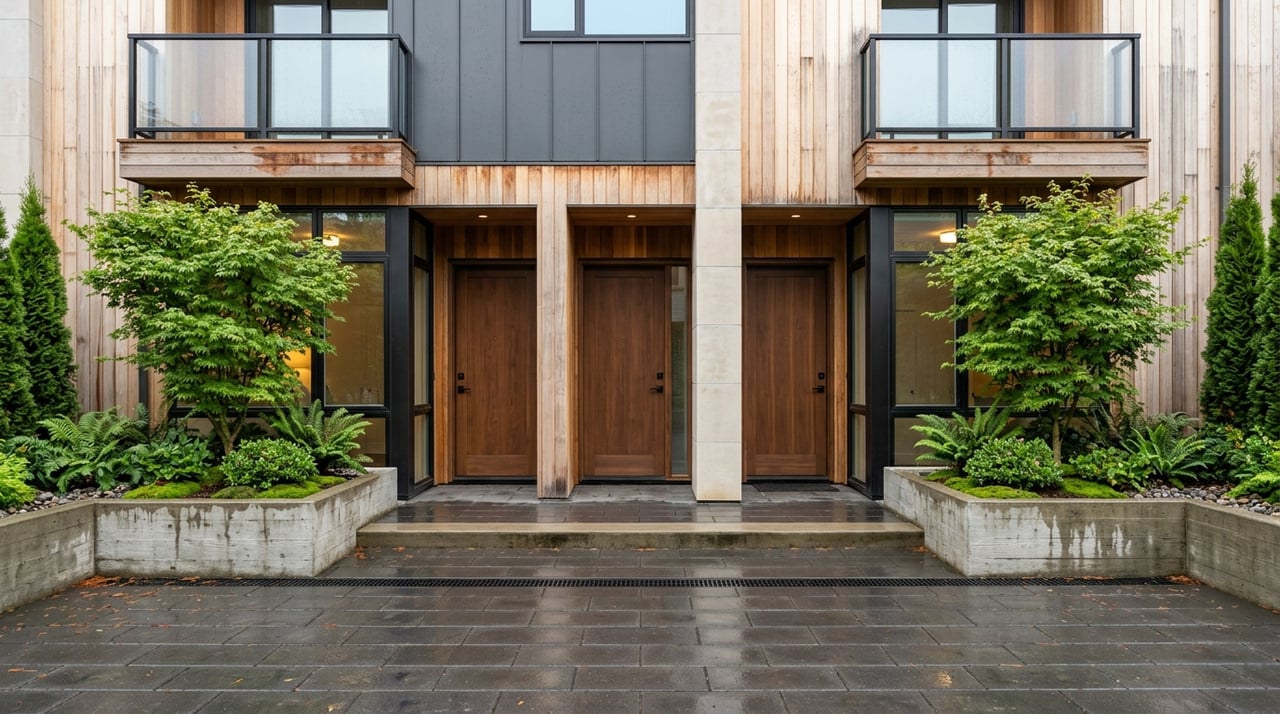
In North Seattle, small multifamily does not just mean a classic apartment building. Depending on the site and zoning, it can include duplexes, triplexes, fourplexes, stacked flats, courtyard apartments, cottage housing, townhouses, and rowhouses. That wider range of property types gives you more ways to invest, whether you are buying an existing income property or looking at a redevelopment path.
Seattle’s multifamily zoning summary explains that lowrise zones are intended for low-density, small-scale multifamily housing. These areas often sit between single-family areas and commercial corridors, which makes them especially relevant in North Seattle where you often see a mix of housing types near neighborhood business districts and transit routes.
Seattle has also expanded what can be built in some residential areas through its middle housing implementation framework. The city now allows forms such as duplexes, triplexes, fourplexes, stacked flats, courtyard apartments, and cottage housing in Neighborhood Residential and Residential Small Lot zones, with most NR lots able to hold up to four units and some up to six.
Best North Seattle areas to watch
North Seattle is not one uniform investment market. Your results can vary a lot based on transit access, zoning, and the age and condition of the housing stock. In general, older lowrise pockets and transit-oriented locations tend to be the most relevant places to study.
A city planning report identifies Ballard and Fremont/Phinney Ridge among Seattle’s largest contiguous lowrise areas. It also notes that Northgate, Roosevelt, and the U District gained Link light rail service in 2021, while Pinehurst is scheduled to open in 2026, based on the Seattle planning document on multifamily areas. If you are comparing opportunities, these are the kinds of submarkets where transit and existing multifamily patterns can intersect.
That does not mean every property near transit is a deal. It means these areas often deserve a closer look because access, zoning flexibility, and renter demand may line up more clearly than in locations with fewer services or weaker redevelopment potential.
Why transit matters so much
Transit access can influence both tenant appeal and development potential. In Seattle, distance to frequent bus service or rail can affect parking requirements and the number of units that may be allowed on a site.
Seattle defines a Frequent Transit Service Area as 1,320 feet walking from a frequent bus stop or 2,640 feet walking from a rail station, according to the city’s Frequent Transit Service Area and major transit stops update. The same city guidance says that properties within one-quarter mile of a major transit stop can qualify for up to six units, while parking is not required for all middle housing types within one-half mile of a major transit stop.
For investors, this matters in two ways. First, tenants often value convenient access to major transit. Second, a property’s future use may be more flexible than it appears at first glance, which can affect how you think about long-term value.
Start with simple underwriting
A small multifamily purchase should be analyzed as an income property, not just as a house with extra units. That means you need to focus on income collected, vacancy, operating costs, and financing terms before you get too attached to the asking price.
Freddie Mac explains in its multifamily investor presentation that effective gross income is generally based on actual recent collections or the current rent roll minus a vacancy allowance. Operating expenses are generally based on trailing 12 months, while taxes and insurance are based on actual annual expenses, and replacement reserves are typically required.
Freddie Mac also notes common sizing standards of up to 80% loan-to-value and minimum debt-service coverage ratios of 1.25x for fixed-rate loans and 1.15x for floating-rate loans at the capped rate. In plain English, your lender will care about whether the property’s income can comfortably support the debt, not just whether you like the location.
Key numbers to review
When you analyze a duplex, triplex, or fourplex in North Seattle, start with the basics:
- In-place rent: What the property is actually collecting today
- Vacancy allowance: A realistic buffer for turnover and nonpayment
- Operating expenses: Recurring costs to run the property
- Taxes and insurance: Current annual amounts, not guesses
- Replacement reserves: Funds set aside for future capital items
- Debt service: Monthly loan payments under your actual financing terms
Freddie Mac’s AIMI FAQ also highlights that rental income growth, property prices, and mortgage rates all influence investment value. That is why a property with a strong location can still underperform if financing costs are too high or expenses are understated.
Red flags to watch before you buy
In North Seattle, many small multifamily opportunities involve older buildings, changing zoning rules, or some form of value-add story. That can create opportunity, but it can also create risk if you skip key due diligence.
Before moving forward, look closely at:
- Current rent roll and actual collections
- Recent operating expenses and maintenance history
- Permit history and past improvements
- Whether the current use matches the legal use
- Parking assumptions, especially near transit
- Whether a future redevelopment plan triggers other city requirements
Seattle’s Department of Construction and Inspections oversees land use, construction, trade permits, inspections, and rental regulations, as noted in the city’s middle housing code update. That makes parcel-level due diligence especially important if you are buying based on a future conversion or redevelopment idea.
Check affordability programs early
If your plan involves new development or a more substantial redevelopment path, you also need to understand city affordability rules before you build your pro forma. This is one of the easiest places for an investor to misjudge costs.
Seattle’s Mandatory Housing Affordability program requires qualifying new development to include affordable housing or contribute to the city fund. The city’s Multifamily Tax Exemption program can also affect project economics by offering a property tax exemption on new multifamily buildings in exchange for rent-restricted units.
These programs do not automatically make a deal good or bad. They simply need to be part of your analysis from the beginning so your numbers reflect the real code path.
A practical North Seattle strategy
For many buyers, the most realistic entry point is not a major redevelopment project. It is often an existing duplex, triplex, or fourplex in a location with stable renter demand and a clear long-term story.
A practical strategy may include:
- Targeting older small multifamily pockets near transit
- Comparing in-place income to realistic operating costs
- Reviewing whether zoning creates future flexibility
- Verifying permit and property history early
- Stress-testing the deal under current financing terms
This kind of approach helps you stay disciplined. It also keeps you focused on what the property can do today while preserving optionality for tomorrow.
Why local guidance matters
North Seattle investing is hyperlocal. Two properties with similar unit counts can perform very differently based on block-by-block transit access, zoning details, permit history, and future redevelopment potential.
That is where local market knowledge can make a real difference. If you want help evaluating a small multifamily opportunity in North Seattle, Chris Haynes can help you assess location context, property positioning, and the next steps with a practical, neighborhood-first approach.
FAQs
What is a small multifamily property in North Seattle?
- In this context, small multifamily can include duplexes, triplexes, fourplexes, stacked flats, courtyard apartments, cottage housing, townhouses, and rowhouses, depending on the site and Seattle zoning rules.
Why does transit matter when investing in North Seattle multifamily?
- Transit can affect tenant demand, parking requirements, and in some cases the number of units allowed, which can change both current value and future development potential.
What underwriting metrics matter for Seattle multifamily investing?
- The core numbers include in-place rent, vacancy allowance, operating expenses, taxes, insurance, replacement reserves, and debt service, with lenders also watching debt-service coverage and loan-to-value.
Which North Seattle areas are often relevant for small multifamily buyers?
- Based on city planning context, areas such as Ballard, Fremont/Phinney Ridge, Northgate, Roosevelt, the U District, and future transit-served Pinehurst are often worth studying because of lowrise housing patterns or light rail access.
What city rules should investors check before buying a North Seattle multifamily property?
- You should review zoning, permit history, parking rules, transit-area standards, and whether Mandatory Housing Affordability or MFTE rules could affect a redevelopment or new construction plan.