Want to spend your weekend on the water or under tall firs without leaving the city? North Seattle gives you beaches, ravines, wetlands, and a paved trail network that can shape your daily routine. If you are relocating or just exploring new spots, this guide shows you the signature parks and trails, how they connect, when to go, and what to expect. Let’s dive in.
What “North Seattle” covers
When locals say “North Seattle,” they usually mean the neighborhoods north of downtown through Ballard, Phinney Ridge, Greenwood, Fremont, Wallingford, Green Lake, Northgate, Maple Leaf, Lake City, Sand Point, Magnuson, Bitter Lake, Haller Lake, and Crown Hill, with some areas near the Shoreline border. Boundaries are informal, and each pocket has its own feel. You get a mix of Puget Sound beaches, Lake Washington shoreline, large natural parks, and small neighborhood greens. Terrain ranges from flat waterfront corridors to hillier, ravine-cut streets.
Waterfront standouts
Discovery Park
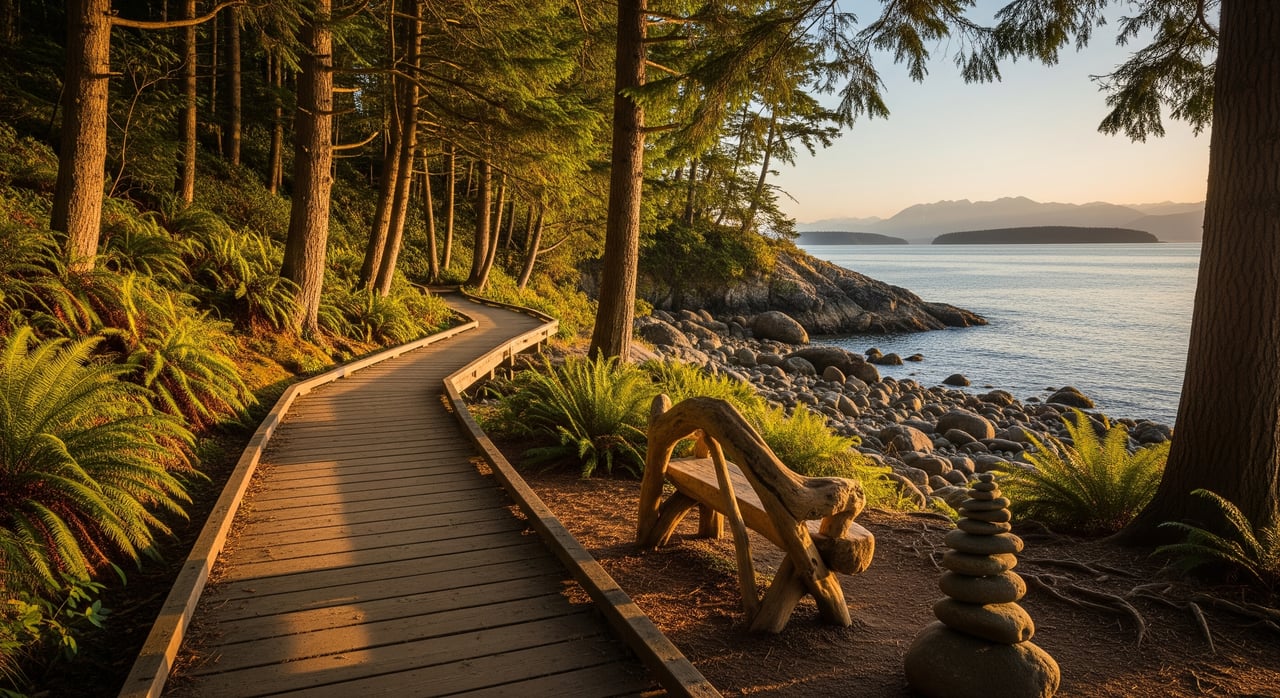
Discovery Park is Seattle’s largest city park, with forest, meadows, bluff overlooks, and sweeping views of Puget Sound and the Olympic Mountains. Trails weave through natural habitat, and you can reach a rocky beach for tide walks and wildlife viewing. Parking is limited and weekends fill up quickly, so arrive early or plan for a longer walk. Follow posted rules, stay on trails, and keep dogs leashed where required.
Golden Gardens Park
Golden Gardens Park is a sandy saltwater beach that shines at sunset. It is popular in summer for picnics, shoreline strolls, and taking in mountain views. You will find trails through the dunes, seasonal fire pits, and access for kayaks. Parking is tight on sunny weekends, so consider transit or biking to avoid delays.
Magnuson Park
Magnuson Park sits on former naval air station grounds, with sports fields, restored wetlands, a beach, broad lawns, and community spaces in historic hangars. The off-leash dog area is one of the city’s largest, and there is a skatepark plus picnic shelters. Parking is more abundant here than at many parks, and several bus routes serve the site. It is a great spot for families and everyday dog walks.
Matthews Beach Park
Matthews Beach Park offers a freshwater beach on Lake Washington with summer swimming and shaded lawns. Restrooms and picnic areas make it an easy half-day outing. The lot and nearby streets can fill during warm spells, especially on weekends. Check seasonal lifeguard schedules on park pages before you go.
Carkeek Park
Carkeek Park drops through a forested ravine to a Puget Sound beach. You can explore trails, learn about salmon habitat, and enjoy picnic spots and a playground. Fall often brings chances to observe salmon runs in local creeks. Expect the main lot to be busy on sunny days.
Loops and ravines for daily walks
Green Lake Park
Green Lake Park is the classic in-city loop. The paved 2.8‑mile path draws walkers, runners, strollers, and rollerbladers all day. You will also find playgrounds, boat rentals and rowing facilities, and seasonal lifeguards at designated swim areas. Parking is limited, so many people walk, bike, or use transit.
Ravenna and Cowen Parks
Ravenna Park and neighboring Cowen Park form a shady ravine corridor between residential streets and the University District. You will find paved and natural paths, creekside views, and playgrounds at the adjoining parks. It is a quiet, easy place for a daily stroll or stroller-friendly walk. Street access is straightforward, and it is calmer than the regional parks.
Woodland Park and the Zoo area
Woodland Park offers open spaces, sports fields, and pathways next to the Woodland Park Zoo. It is a flexible option for pickup games, picnics, or combining a zoo visit with a short walk. Expect on-street and nearby paid parking.
The Burke-Gilman backbone
The Burke-Gilman Trail is North Seattle’s paved, multi-use spine for biking, running, and walking. It links Ballard, Fremont, Phinney Ridge access points, the University District, and beyond. Some segments can be congested at commute times, and designs evolve over time. For route updates, detours, and planning notes, check the Seattle Department of Transportation bicycle and greenways resource.
Trail etiquette helps everyone: keep right, pass on the left, announce passes, and adjust speed in busy segments. Surfaces are paved, but junctions can be narrow or busy near shops and park hubs. If you are riding with kids, go at off-peak times for a calmer experience.
Neighborhood connectors and creeks
Seattle’s Neighborhood Greenways create low-traffic routes that connect homes, parks, and transit. These streets help you reach the Burke-Gilman without riding on busy arterials. Natural corridors such as Ravenna and Cowen Parks, as well as Thornton Creek segments, add short walking paths and wildlife viewing.
Thornton Creek flows through parts of Northeast Seattle with restoration projects and pocket trails. The system is in segments rather than one continuous path, which makes it great for short daily loops. For stewardship updates and segment maps, visit the Thornton Creek Alliance.
Getting there: transit, bikes, and parking
The Northgate Link Light Rail adds a reliable rail connection, especially if you pair it with buses and bikes. Learn more about the line and stations on Sound Transit’s Northgate Link page. Many parks, including Magnuson, Green Lake, and Ballard-area spots, are served by multiple bus routes.
Parking varies by park and season. Expect tight parking and longer waits at Golden Gardens, Green Lake, and Discovery Park on sunny weekends. Plan to arrive early or later in the day, bike in on the Burke-Gilman, or use transit to skip the search.
Bike parking is common near commercial areas and major park entrances. Street bike lanes and trail segments vary in width and comfort, so preview your route and give yourself extra time the first trip.
Seasonal tips, rules, and safety
- Dogs: Many parks require leashes, and some natural areas have habitat protections. For off-leash time, Magnuson Park is a top choice. Review current rules on the Seattle Parks Dogs in Parks page and follow on-site signs.
- Swimming: Golden Gardens and Matthews Beach are popular in summer. Lifeguards and swim areas are seasonal and may change year to year. Check park pages for the latest schedules and any water-quality advisories.
- Salmon viewing: In fall, salmon can be visible in creeks at Carkeek and some Thornton Creek reaches. Timing varies by year and species. Local stewardship groups and Seattle Parks often post seasonal updates and programs.
- Trail surfaces: Paved loops like Green Lake and the Burke-Gilman are consistent, while ravine trails can be muddy or slick in winter. Wear sturdy shoes and watch for wet roots on natural paths.
- Personal safety: Natural areas are dim after dark, and cell service can be spotty in ravines. Go with a friend or visit during daylight in less-traveled spots. You may see urban wildlife such as raccoons and coyotes. Give all wildlife space and secure food and trash.
Easy half-day plans
- Ballard beach evening: Grab the Burke-Gilman through Ballard, continue to Shilshole, and wrap up with sunset at Golden Gardens. Aim for off-peak hours to find parking or ride in.
- Lake Washington family day: Start at Matthews Beach for a swim and picnic, then loop north or south on the Burke-Gilman for a flat bike ride.
- Dog day out: Head to Magnuson Park’s off-leash area, then explore the wetlands loop and shoreline. Finish with a picnic on the lawns.
- Forest and bluffs: Walk Discovery Park’s main loop for meadows, forest, and bluff views, then descend to the beach if conditions allow. Bring water and expect hills.
- Ravine and coffee: Stroll Ravenna and Cowen Parks, then head to a nearby cafe in the University District or Ravenna neighborhood.
How parks shape daily life
Parks and trails define the rhythm of North Seattle. You can run a quick lap around Green Lake before work, bike the Burke-Gilman to dinner in Fremont, or spend a Saturday at the beach. If you are exploring where to live, look at how these green spaces connect to your commute, your favorite weekend routine, and the activities you enjoy most.
As a local guide and full-service broker, I help you weigh the tradeoffs in each neighborhood. Want easy lake access, a quiet ravine walk, or a flat bike route to work? We will map it to your home search so you can picture daily life, not just the listing photos.
Ready to find a home base near the parks you love? Reach out to Chris Haynes for neighborhood-level guidance and a plan that fits your goals.
FAQs
Which North Seattle parks are best for short daily walks?
- Green Lake’s 2.8-mile paved loop is ideal, and the Burke-Gilman offers flat extensions through Ballard, Fremont, and the U District.
Where can I find an off-leash dog area in North Seattle?
- Magnuson Park has one of the city’s largest off-leash areas; review rules and hours on the Seattle Parks Dogs in Parks page before you go.
What is the safest bike route between Ballard and the U District?
- The Burke-Gilman Trail is the primary paved route; check SDOT’s bicycle and greenways updates for any detours or construction before riding.
Which North Seattle parks have beaches and swimming?
- Golden Gardens offers a saltwater beach on Puget Sound, while Matthews Beach and Magnuson Park provide Lake Washington access with seasonal swim areas.
Are salmon runs visible in North Seattle parks each fall?
- Yes, Carkeek Park and some Thornton Creek segments often see fall runs, though timing varies; check local stewardship updates for the best viewing windows.
What are parking expectations on summer weekends at popular parks?
- Parking is limited and fills early at Golden Gardens, Green Lake, and Discovery Park; arrive early or late, use transit, or bike via the Burke-Gilman.